Hepatic steatosis (fatty liver)
Read Your Scan Editorial Team·Last updated
Written from published radiology references and reviewed for plain language. Not written or signed by a physician, and not a diagnosis. How we write these pages →
In plain language
Extra fat in the liver, seen as the liver appearing different in density. It is common and often improves with lifestyle changes. Your doctor interprets its significance.
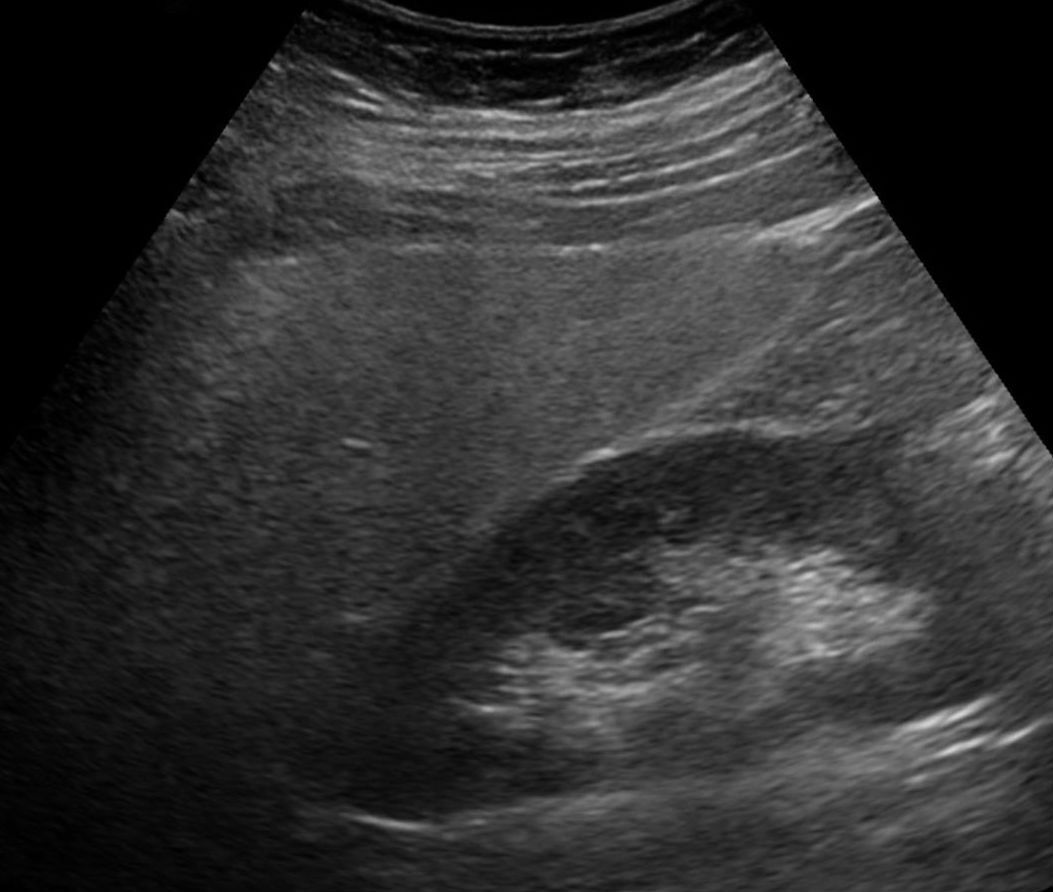
Hellerhoff, Wikimedia Commons · CC BY-SA 3.0
Upload your MRI, CT, X-ray or ultrasound — de-identified in your browser — and every finding is mapped onto your images and explained without jargon.
Where you'll see this
This wording turns up on Abdominal CT reports — CT imaging of the abdomen. An abdominal CT shows the liver, gallbladder, pancreas, spleen, kidneys, bowel, blood vessels, and lymph nodes in fine detail. Doctors order it for abdominal pain, to look into a suspected stone, infection, or blockage, or to check known findings. Because it is so detailed, it often notes small, harmless things by chance. The report describes what the images show; your doctor reads it together with your symptoms and other results.
It also appears on Abdominal Ultrasound.
Questions worth asking your doctor
- What was the main reason for this CT, and did it answer that question?
- Were any findings incidental, and do any of them need follow-up?
- If a stone or cyst was seen, does it need treatment or monitoring?
- Do the results change my current care or medications?
- Is there anything I can do about findings like fatty liver?
How common is this?
Extremely common. Non-alcoholic fatty liver disease (NAFLD / MASLD) affects about 25–30 % of adults worldwide, making it the most common liver condition and the most common incidental liver finding on abdominal imaging. Prevalence exceeds 70 % in obese adults.
When should I worry?
Simple steatosis (fat without inflammation) is generally benign and reversible. It becomes concerning if there are signs of inflammation (steatohepatitis), elevated liver enzymes on blood work, or progression to fibrosis. The question is whether the fat is damaging the liver, not just sitting there.
What happens next
A finding of fatty liver usually prompts lifestyle advice: even 5–10 % body weight loss helps significantly. Regular exercise, reduced sugar and refined carbs, and limiting alcohol. Blood work (liver enzymes, metabolic panel) is typically checked. Simple steatosis is reversible with lifestyle changes.
Frequently asked questions
- Is fatty liver dangerous?
- Simple steatosis carries low risk and is reversible. The danger comes if it progresses to steatohepatitis (NASH/MASH), which can lead to fibrosis and cirrhosis. About 20 % of people with simple steatosis progress to the inflammatory stage.
- Can fatty liver be reversed?
- Yes. It is one of the most reversible liver conditions. Weight loss of 5–10 % has been shown to significantly reduce liver fat. Exercise, dietary changes and reducing alcohol intake are effective.
- What causes fatty liver?
- Most commonly: obesity, insulin resistance, type 2 diabetes, metabolic syndrome and excessive alcohol. Less common causes include certain medications, rapid weight loss and genetic conditions.
- Does fatty liver cause symptoms?
- Usually not. Most people discover it incidentally on imaging. When symptoms do occur — usually at advanced stages — they may include fatigue, upper abdominal discomfort or unexplained weight loss.
Other words on the same report
Still worried about what your report says?
Upload your scan (de-identified in your browser) and your radiologist's report, and every finding is mapped onto the images, explained in plain language and scored. Informational only — not a diagnosis.
Read Your Scan is informational only — not a medical diagnosis, and not a substitute for a licensed radiologist or your doctor. If you have urgent symptoms, seek care.